
The landscape of wealth management is evolving rapidly.
For discerning investors in Switzerland, it is no longer sufficient to look solely at traditional financial metrics.
Sustainable ESG portfolio management has shifted from a niche ethical choice to a fundamental driver of long-term wealth preservation and risk-adjusted returns.
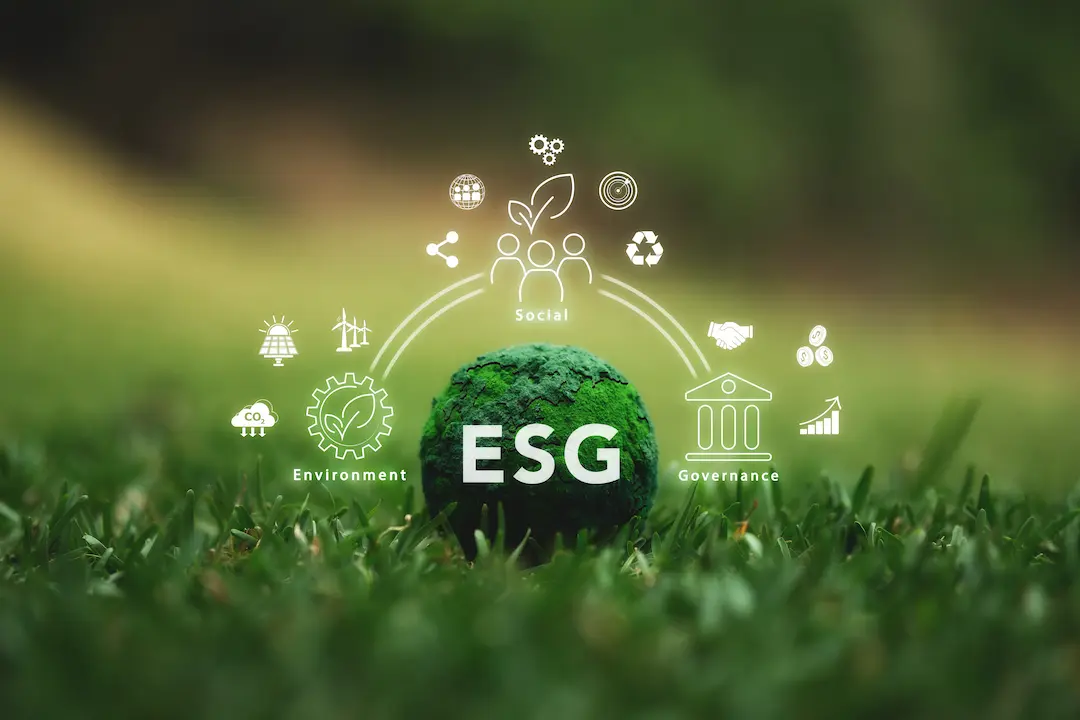
Sustainable ESG portfolio management is an investment approach that integrates Environmental, Social, and Governance (ESG) criteria alongside traditional financial methodologies.
The objective is twofold: generating sustainable, long-term financial returns while actively contributing to positive outcomes for the environment and society.
To fully grasp the concept, it helps to break down the three pillars of ESG:
By moving beyond traditional fundamental analysis to include these factors, wealth managers can identify companies that demonstrate superior adaptability, agility, and resilience.
To illustrate the tangible difference, let us look at a hypothetical scenario involving two portfolios investing in the energy and utilities sector.
A traditional portfolio manager might select a legacy energy company because it currently offers a high dividend yield and an attractive price-to-earnings (P/E) ratio.
However, this company relies heavily on fossil fuels and has made no investments in transition technologies.
While short-term returns may look promising, the portfolio is highly exposed to unpriced risks: impending carbon taxes, stricter environmental regulations, and the eventual stranding of high-carbon assets.
An ESG-focused portfolio manager analyses the same sector but selects a utility company actively transitioning its grid to renewable energy.
While this company might currently have higher capital expenditures (CAPEX) to fund its green transition, it scores highly on environmental resilience and corporate governance. Over the long term, this portfolio is shielded from regulatory penalties, benefits from government green subsidies, and demonstrates a lower volatility profile.
The sustainable approach does not ignore financial metrics; rather, it uses ESG data as an additional lens to uncover hidden risks and future-proof the investment.
Switzerland is globally recognised as a premier hub for wealth management, and it is rapidly positioning itself at the forefront of sustainable finance.
The Swiss Federal Council and regulatory bodies like FINMA (Swiss Financial Market Supervisory Authority) are setting rigorous standards to ensure transparency and combat ‘greenwashing’.
For Swiss investors, this means that engaging in sustainable ESG portfolio management provides access to a highly regulated, sophisticated market.
Initiatives such as the Swiss Climate Scores offer investors unparalleled transparency regarding the Paris-alignment of their financial investments, ensuring that portfolios meet the highest global standards for sustainability.
Despite the clear advantages of enhanced risk management and greater corporate resilience, integrating ESG factors is not without its hurdles. Wealth managers and investors often face:
To build a successful strategy, wealth managers must rely on a foundation of reliable, standardised ESG data and framework alignment, categorising this data against recognised standards to ensure consistent benchmarking.
Reconciling the complexities of the market requires a disciplined methodology. Below is a structured guide to constructing a robust sustainable portfolio.
Begin by writing an Investment Policy Statement (IPS) that outlines your risk/return profile, targeted asset allocation, and constraints. Next, define your specific ESG approach:
Collect sustainability data from publicly available disclosures and reputable third-party ESG data providers (such as ISS ESG or S&P Global). Consolidating this data is vital to minimise fragmentation.
Combine ESG analytics with traditional financial valuation models. This dual approach helps evaluate risks and opportunities at both the individual security and the overarching portfolio level.
Diversify your assets across regions, sectors, and asset classes. Rank individual companies by their financial valuation and their ESG performance, selecting those that score highest on both metrics. Crucially, ensure that strict ESG screening does not compromise overall portfolio diversification.
Sustainable investing does not end at the point of purchase. Engage with portfolio companies through proxy voting and shareholder dialogue to advocate for improved environmental and social practices.
Establish Key Performance Indicators (KPIs) related to both financial returns and ESG milestones. Regularly track how the portfolio is delivering against these metrics.
Market dynamics and sustainability regulations, especially within Switzerland and the broader European market, change rapidly. Continuously review risk parameters and adapt your investment strategy to align with evolving global standards.
At PCC Wealth Switzerland, we understand that navigating the complexities of sustainable investing requires deep local expertise and advanced analytical tools.
As part of the wider Private Client Consultancy group, our Swiss operations are uniquely positioned to offer sophisticated, compliant, and highly tailored ESG portfolio management that aligns with both your personal values and your long-term financial ambitions.
No.
Numerous studies show that integrating ESG factors into financial analysis can be a significant driver for achieving superior risk-adjusted returns.
Companies with strong ESG performance often display greater agility and resilience, making them better equipped to create long-term stakeholder value while avoiding regulatory and reputational pitfalls.
Greenwashing occurs when investments are falsely marketed as environmentally friendly.
We mitigate this by relying on high-quality, standardised ESG data from reputable providers and aligning our frameworks with rigorous local standards, including FINMA guidelines and the Swiss Climate Scores, ensuring total transparency for our clients.
Negative screening involves deliberately excluding specific industries or business activities from your portfolio, such as fossil fuels, gambling, or companies with poor human rights records.
Positive screening, conversely, involves evaluating companies on ESG metrics and actively choosing to invest in the top performers within a given sector.
Sustainable ESG portfolio management is no longer an alternative investment strategy; it is a critical framework for identifying resilient, adaptable companies capable of thriving in the modern economy.
By systematically integrating environmental, social, and governance factors, investors can mitigate long-term risks, capitalise on innovative operational efficiencies, and contribute positively to society, without sacrificing financial returns.
Are you ready to align your wealth with your values?
Contact the team at PCC Wealth Switzerland today to discuss how we can structure a bespoke, future-proofed sustainable portfolio tailored to your unique financial goals.

Get notified about new articles, latest changes and much more